 Millets
- Botanical
- Panicum sumatrense
Grade, origin, pack and MOQ come on the specification we send with each quotation.
Panicum sumatrenseKutki
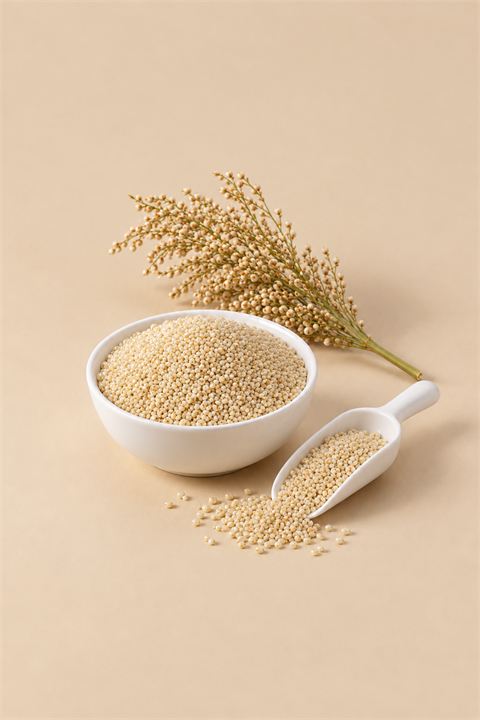
Little millet, kutki in Hindi, is a very small whole grain from the hill and forest areas of India that cooks quickly, like rice. Buyers stock it for quick-cooking grain dishes and for ready-to-cook and breakfast products.
MilletsGrade, origin, pack and MOQ come on the specification we send with each quotation.
Agreed with you for each order, against your market's rules. These are the parameters it covers; you set the values, and they come back with the quotation.
Export bags or cartons. Our brand packs, plain export packs or your own label: pack formats to follow.
Little millet comes from a processor we select and check. Their certificates for this product are named as theirs: processor's certificates to follow.
The set is confirmed for your destination before we quote.
Importers buy little millet for retail packing, and food manufacturers and foodservice buyers use it in ready-to-cook packs, breakfast mixes and rice-style dishes.
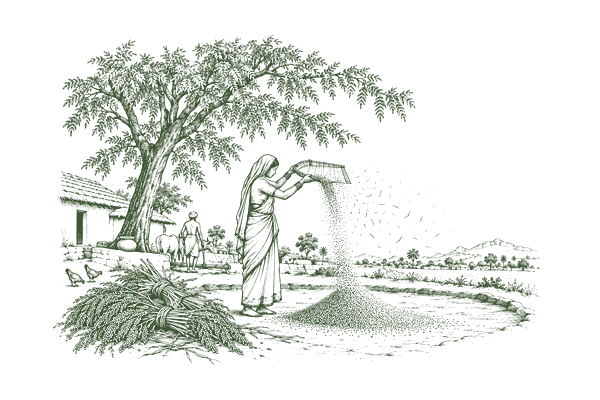
the breeze takes the husk
Little millet was domesticated in India and has long been grown by farming communities in hill and forest areas. It is grown in several states, including Madhya Pradesh, Chhattisgarh, Odisha, Tamil Nadu and Andhra Pradesh, usually rain-fed and on poor soils. It is called kutki in central India and samai in Tamil Nadu. The origin of each lot is stated in its specification.
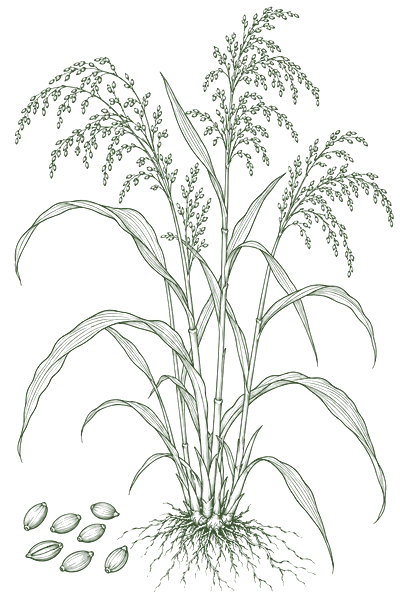
tiny grains on airy heads
Little millet is smaller than foxtail millet. Once the husk is removed, the grain is pale cream to light grey, with a mild taste. Form supplied: hulled or unhulled, polished or unpolished. It cooks quickly into soft, separate grains, and can be used whole, broken into small pieces like semolina, or milled into flour.
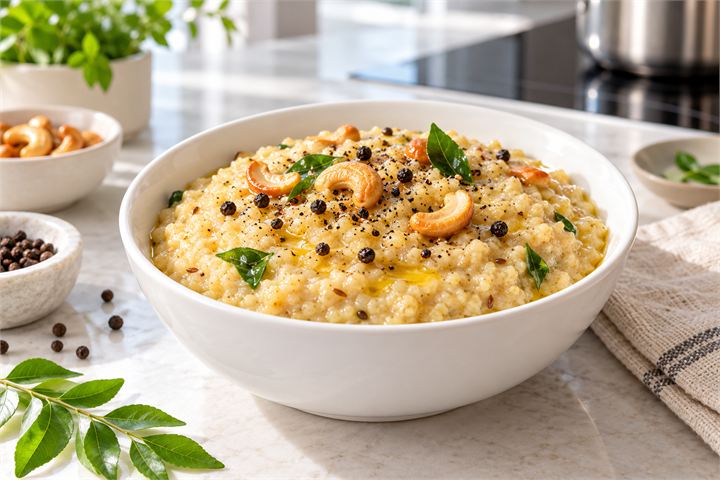
cashews and pepper on top
In central India, little millet is cooked as a plain grain and eaten with dal and vegetables. In the south it is made into upma, pongal, lemon rice, curd rice and a sweet pudding with jaggery. Because it cooks quickly, it is often a breakfast grain. Kitchens elsewhere use it in pilafs, salads and soups.
Food manufacturers use little millet in ready-to-cook grain packs, instant breakfast mixes, flakes, noodles and puffed or extruded snacks. Broken grains suit upma and porridge mixes, and the flour goes into biscuits and multigrain blends. Its short cooking time suits quick-meal products.
MilletsGrade, origin, pack and MOQ come on the specification we send with each quotation.
MilletsGrade, origin, pack and MOQ come on the specification we send with each quotation.
MilletsGrade, origin, pack and MOQ come on the specification we send with each quotation.
Tell us what you need, where it is going and roughly how much. One of the directors replies with a specification and a quotation on your terms.