 Raw spices
- Botanical
- Cinnamomum verum
Grade, origin, pack and MOQ come on the specification we send with each quotation.
Cinnamomum verumDalchini
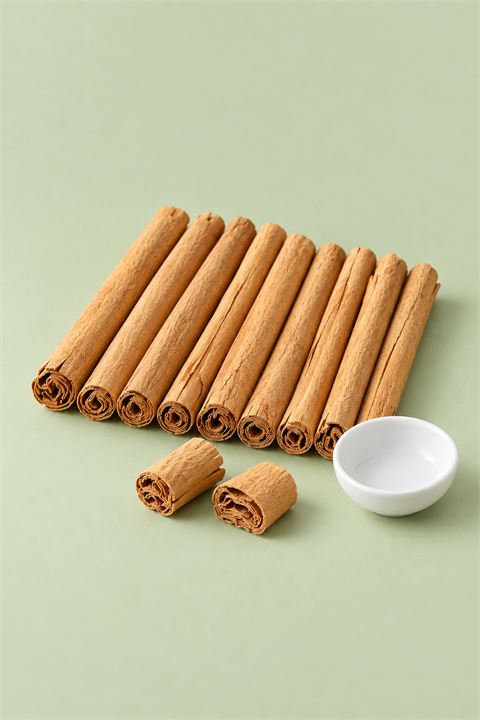
Cinnamon, dalchini in Hindi, is the dried inner bark of a tree of the laurel family, rolled into sticks called quills. Buyers stock it for its sweet, woody aroma, used in baking, drinks, spice blends and rice and meat dishes.
Raw spicesGrade, origin, pack and MOQ come on the specification we send with each quotation.
Agreed with you for each order, against your market's rules. These are the parameters it covers; you set the values, and they come back with the quotation. Values marked “to confirm” are provisional until a quotation confirms them.
Export bags or cartons. Our brand packs, plain export packs or your own label: pack formats to follow.
Cinnamon comes from a processor we select and check. Their certificates for this product are named as theirs: processor's certificates to follow.
The set is confirmed for your destination before we quote.
Importers buy cinnamon for retail packing, spice blenders for ground cinnamon and blends, and bakers and food manufacturers for bakery, cereals and drinks.
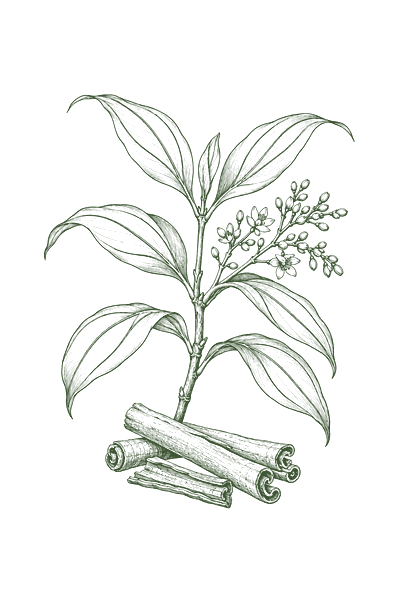
the bark, rolled into quills
Cinnamon bark has been traded since ancient times. True cinnamon, Cinnamomum verum, is native to Sri Lanka; in India it is grown on a small scale, mainly in Kerala. Much of the cinnamon traded worldwide is cassia, a related tree with thicker, harder bark. Both true cinnamon and cassia can be sourced from India, and the buyer specifies which. The origin of each lot is stated in its specification.
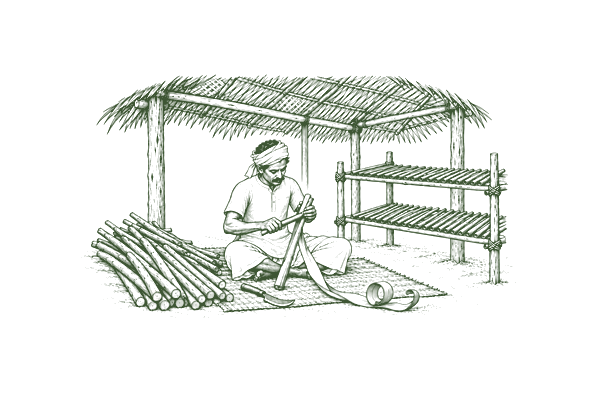
curling into a quill
True cinnamon trees are cut back so that they send up straight shoots. The shoots are cut in the rainy season, when the bark peels easily. The outer bark is scraped off, and the thin inner bark is peeled and dried in the shade, where it curls into layered quills. Cassia bark is thicker and dries as a single, harder roll.
paper-thin layers, rolled tight
Buyers usually specify the species, quill length and thickness, and colour. They also check aroma, volatile oil content, moisture and foreign matter, and coumarin content, which is much lower in true cinnamon than in cassia. They ask for test reports for pesticide residues. The processor's certificates for this product: processor's certificates.
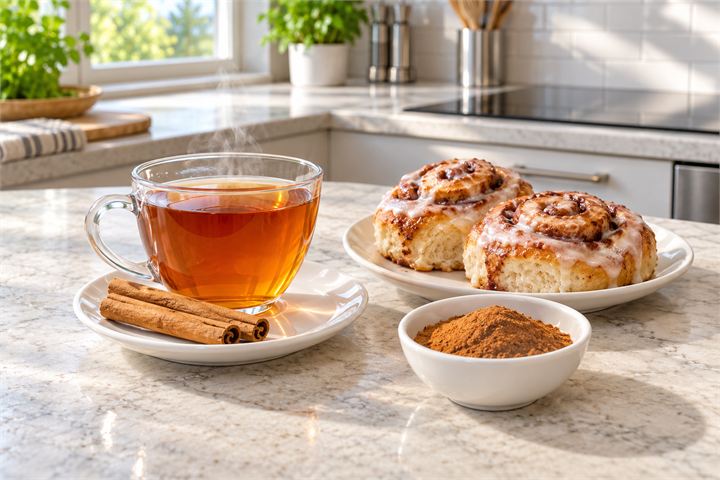
two quills on the saucer
In India, cinnamon sticks go whole into biryani, pulao, curries and spiced tea, and ground cinnamon into garam masala. Elsewhere it flavours cinnamon rolls, cakes, biscuits, apple desserts, breakfast cereals and hot drinks, and some meat and rice dishes. True cinnamon is mild and delicate; cassia is stronger and more pungent.
Raw spicesGrade, origin, pack and MOQ come on the specification we send with each quotation.
Raw spicesGrade, origin, pack and MOQ come on the specification we send with each quotation.
Raw spicesGrade, origin, pack and MOQ come on the specification we send with each quotation.
Tell us what you need, where it is going and roughly how much. One of the directors replies with a specification and a quotation on your terms.